When considering weight plates for your fitness or commercial needs, it's crucial to understand the landscape of china weight plate production. As a global leader in manufacturing fitness equipment, China offers a wide variety of weight plates that cater to different budgets, quality standards, and specifications. This guide will help you navigate the complexities of sourcing and purchasing weight plates from China, ensuring you make informed decisions and get the best value for your investment.
Understanding Weight Plates: Types and Materials
- Types of Weight Plates
- Standard Weight Plates: Commonly used for home gyms.
- Olympic Weight Plates: Designed for Olympic-sized barbells.
- Rubber Coated Weight Plates: Benefit from reduced noise and floor damage.
- Competition Plates: Ensure accuracy and are used in competitive settings.
- Materials Used in Production
- Cast Iron: Traditional and durable.
- Steel: Very durable, often used in commercial settings.
- Rubber: Reduces impact and noise, increasingly popular.
- Polymer: Lightweight options ideal for home use.
Key Factors to Consider When Buying Weight Plates from China
- Quality Assurance
- Check for ISO Certifications to ensure manufacturing quality.
- Request product samples to evaluate material quality and finish.
- Supplier Verification
- Research potential suppliers on platforms such as Alibaba or Global Sources.
- Look for verified suppliers with good customer ratings.
- Price Comparison
- Obtain quotes from various suppliers to identify competitive pricing.
- Consider not just price, but overall value including shipping costs.
- Production Lead Times
- Discuss production timelines upfront to avoid delays.
- Inquire about their ability to meet large orders within your timeframe.
Logistics and Shipping Considerations
- Shipping Methods
- Air Freight: Faster, but more expensive; ideal for urgent orders.
- Sea Freight: Economical for bulk orders, though slower.
- Customs and Import Regulations
- Consult local regulations to ensure compliance with import duties.
- Monitor shipping documents carefully to avoid customs delays.
Quality Control Inspections
- Pre-Production Inspection
- Visit the factory or hire third-party services to inspect raw materials.
- During Production Inspection
- Conduct visits to monitor the production process and adherence to specifications.
- Post-Production Inspection
- Perform a quality check on finished products before shipping.
Building Strong Supplier Relationships
- Effective Communication
- Maintain open lines of communication for feedback and queries.
- Use clear and concise language to avoid misunderstandings.
- Negotiation Techniques
- Be transparent about your expectations regarding product quality and pricing.
- Establish long-term relationships for better deals and reliability.
Conclusion: Making Informed Decisions
- Research Extensively
- Utilize online resources and factory visits for in-depth knowledge.
- Document Everything
- Keep records of all agreements, communications, and transactions.
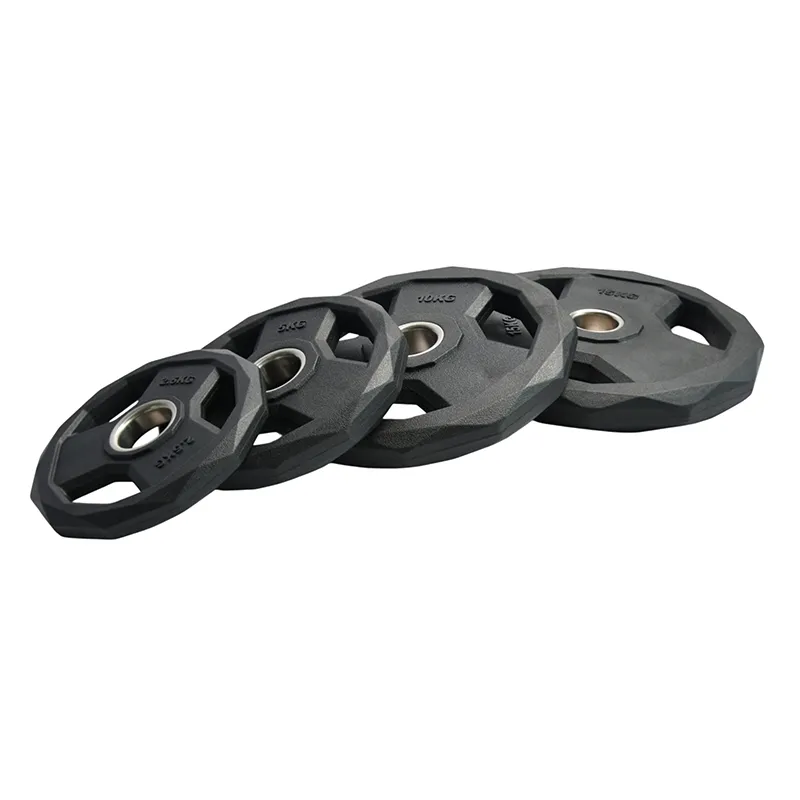
Visual Reference: Weight Plates Sample
Additional Considerations for Your Buyer’s Guide
- Environmental Considerations
- Evaluate the sustainability practices of manufacturers to support eco-friendly production.
- Customer Service and After-Sales Support
- Assess the level of customer service provided post-purchase for warranty and support.


